How Long Does Nail Polish Last? Bottle Shelf Life, Wear Time & Gel Guide
How long does nail polish last? The answer depends on the formula, storage conditions, and whether you mean the product in the bottle or the manicure on your nails. An opened bottle gradually loses solvent, while the manicure itself wears down from water, friction, and nail flexibility. Gel polish usually lasts longer on the nail, but proper curing becomes more important as the product ages.
Nail Polish Shelf Life by Formula
| Polish type | Opened | Unopened | Typical wear on nails | Removal method |
|---|---|---|---|---|
| Regular nail lacquer | 12–24 months | 2–3 years | 5–7 days | Acetone or non-acetone remover |
| Gel polish | 24–36 months | 3–4 years | 2–3 weeks | Acetone soak or filing |
| Fast-drying lacquer | 12–18 months | 2–3 years | 5–7 days | Acetone or non-acetone remover |
| Thermal polish | 6–18 months | 2 years | 4–6 days | Acetone or non-acetone remover |
| Chrome / Metallic | 12–24 months | 2–3 years | 5–7 days | Acetone or non-acetone remover |
How Long Does Polish Last on Nails?
Regular manicure
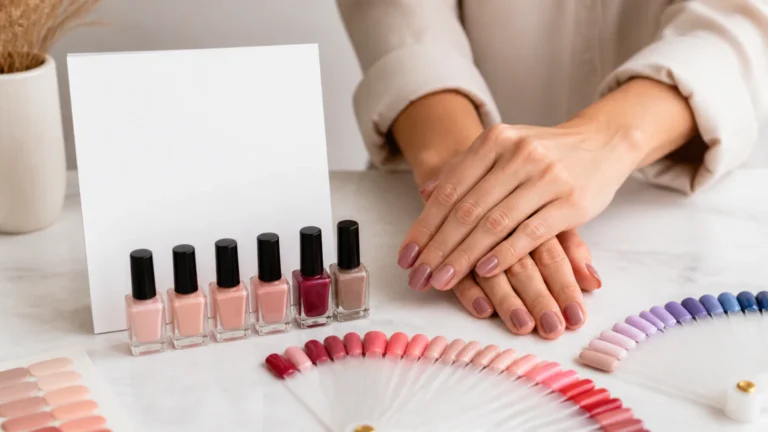
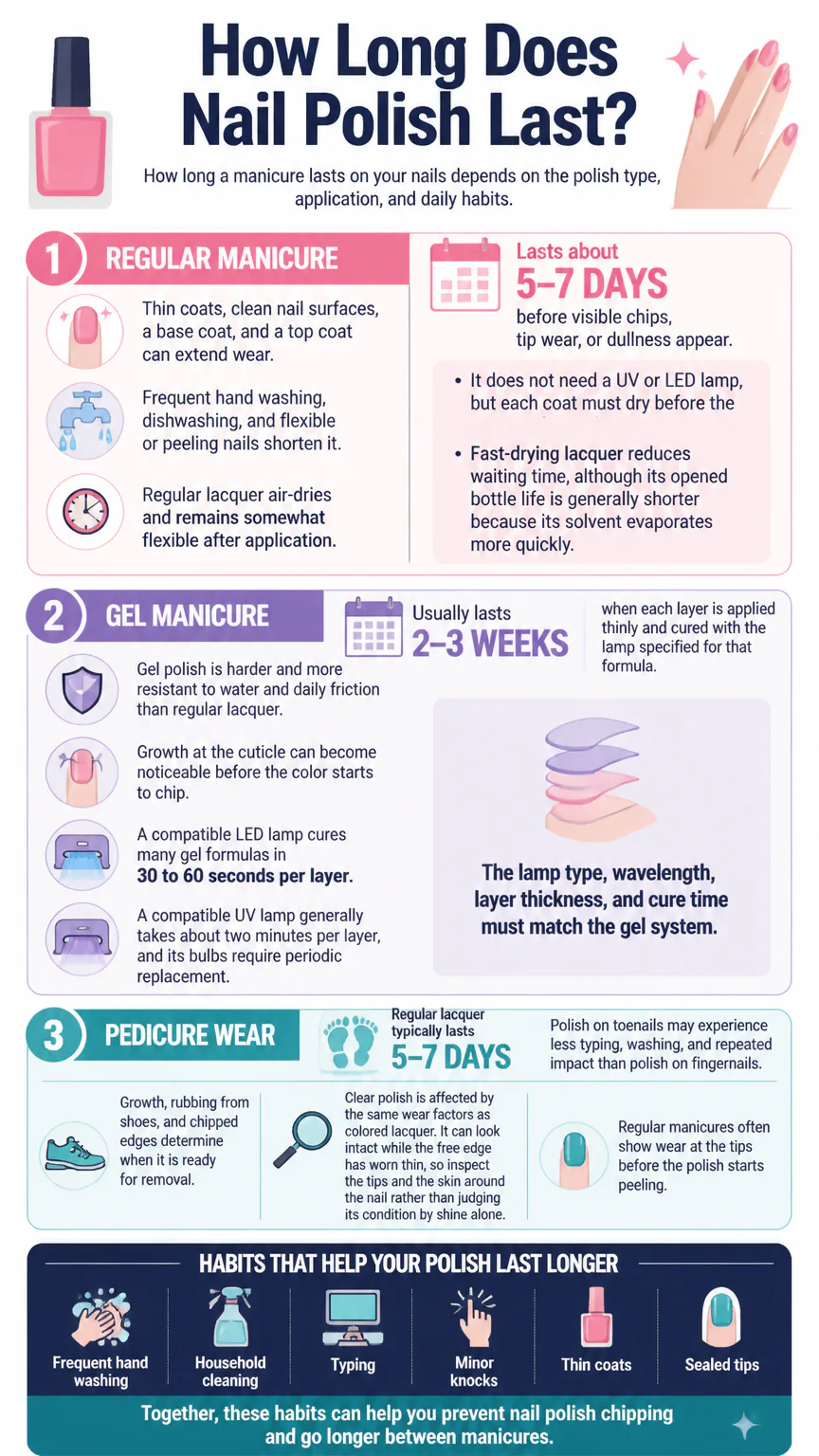
A regular manicure lasts about five to seven days before visible chips, tip wear, or dullness appear. Thin coats, clean nail surfaces, a base coat, and a top coat can extend wear. Frequent hand washing, dishwashing, and flexible or peeling nails shorten it.
Regular lacquer air-dries and remains somewhat flexible after application. It does not need a UV or LED lamp, but each coat must dry before the next one is applied. Fast-drying lacquer reduces waiting time, although its opened bottle life is generally shorter because its solvent evaporates more quickly.
Gel manicure
A gel manicure usually lasts two to three weeks when each layer is applied thinly and cured with the lamp specified for that formula. Gel polish is harder and more resistant to water and daily friction than regular lacquer, but growth at the cuticle can become noticeable before the color starts to chip.
A compatible LED lamp cures many gel formulas in 30 to 60 seconds per layer. A compatible UV lamp generally takes about two minutes per layer, and its bulbs require periodic replacement. The lamp type, wavelength, layer thickness, and cure time must match the gel system.
Pedicure wear
Polish on toenails may experience less typing, washing, and repeated impact than polish on fingernails, but regular lacquer typically lasts about 5-7 days. Growth, rubbing from shoes, and chipped edges determine when it is ready for removal.
Clear polish is affected by the same wear factors as colored lacquer. It can look intact while the free edge has worn thin, so inspect the tips and the skin around the nail rather than judging its condition by shine alone.
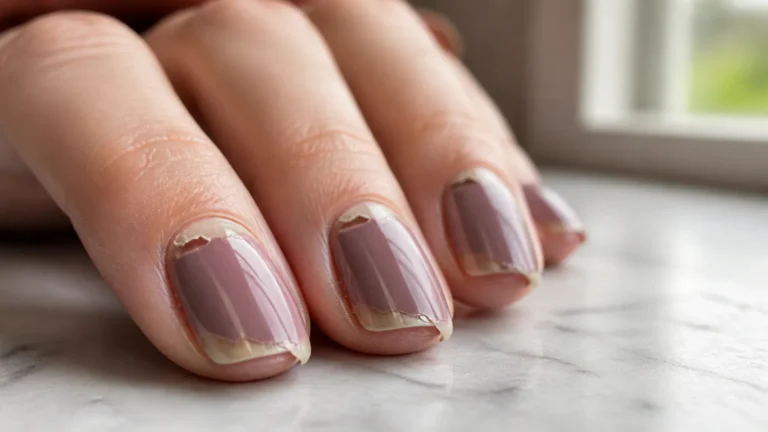
Regular manicures often show wear at the tips before the polish starts peeling. Frequent hand washing, household cleaning, typing and minor knocks can speed up chipping, while thin coats and sealed tips help the polish last longer. Together, these habits can help you prevent nail polish chipping and go longer between manicures.
How Can You Tell It Has Expired?
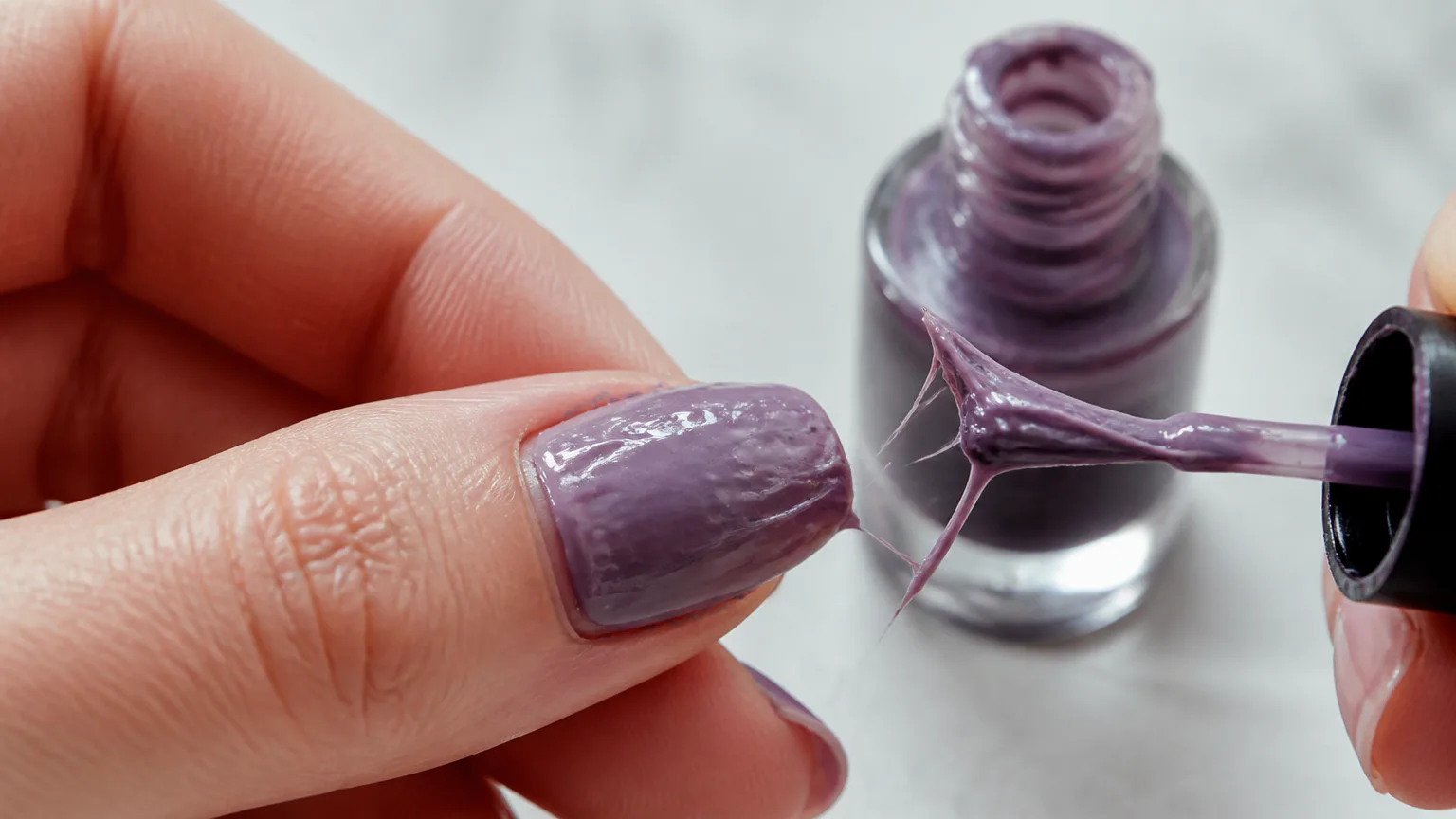
Age alone does not determine whether a bottle is usable. Polish has passed its practical life when it no longer mixes, applies, or dries normally. Discard it if thick strings, persistent separation, an unusual odor, stinging, or prolonged tackiness remains after gentle mixing.
- Texture: Thick strings, clumps, or a rubbery mass indicate substantial solvent loss.
- Separation: Mild separation can be corrected by gentle rolling, but layers that remain divided after mixing show formula breakdown.
- Color: A major color change, fading, or unexpected darkening signals deterioration or contamination.
- Odor: A sharply altered or unusually unpleasant smell is a reason to discard the bottle.
- Drying: Polish that stays tacky far longer than expected or never hardens is no longer performing properly.
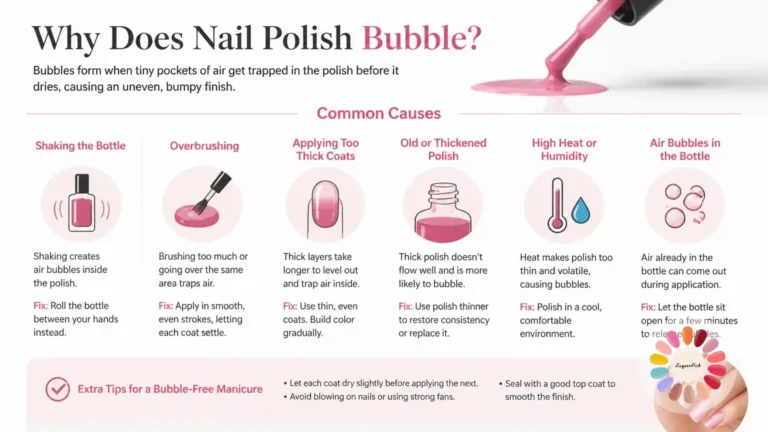
- Application: Streaking, dragging, bubbling, and uneven coverage make the product unsuitable for a smooth manicure.
The jar-shaped PAO symbol gives a separate usage reference. A label marked 12M or 24M indicates the recommended number of months to use the product after opening. Treat that period as a guide alongside the bottle’s condition, storage history, and formula type.
A thicker formula alone does not mean the polish is unsafe; evaporation can change its consistency without causing major separation or an unusual smell. Before throwing it away, look for several warning signs together, including persistent separation, clumps that will not remix, color changes, and a strong off odor. Shelf life, safety, and storage also affect whether does nail polish expire in an older bottle.
Can You Safely Use Old Polish?
Old regular lacquer is usually a performance problem rather than a serious hazard. If it has thickened, separated permanently, developed an unusual odor, or causes stinging or redness, remove it and discard the bottle. Do not use any product on broken skin or an irritated nail.
Old gel polish requires more caution because incomplete curing can leave uncured monomers on the nail. Those residual ingredients can trigger acrylate allergies. Replace gel polish that has changed texture, will not cure fully, or no longer works with its compatible lamp instead of repeatedly curing thicker layers.
Very old polish, including a bottle that is 10 or 20 years old, is not worth salvaging for use on the nails. Its solvents and resins can degrade substantially over that length of time, making the application or curing result unpredictable.
How Should You Store Nail Polish?
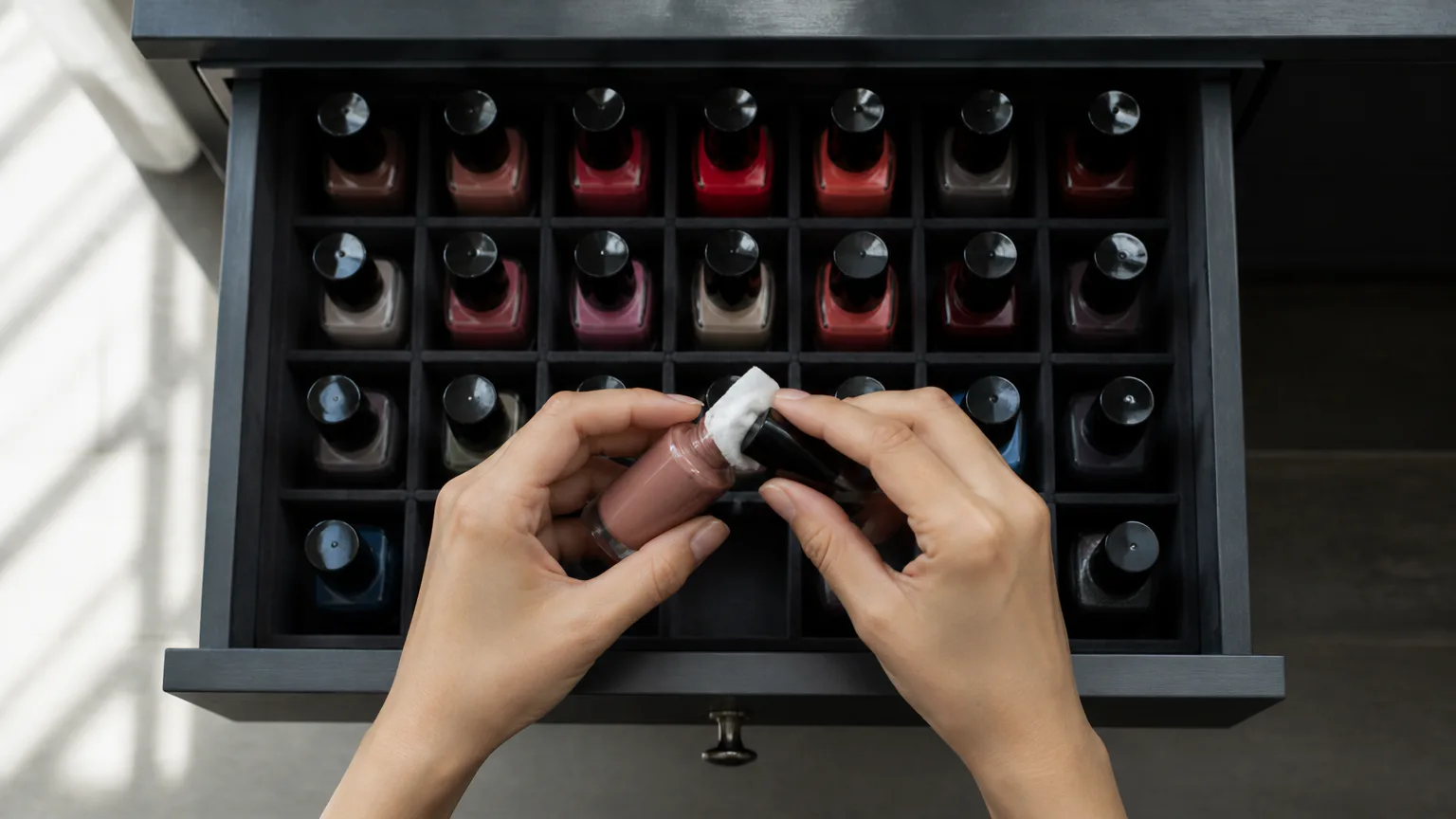
Good storage slows solvent evaporation and reduces changes caused by heat, light, and moisture. Keep every bottle tightly closed immediately after use, and wipe polish from the neck and cap threads so the closure remains airtight.
- Store bottles upright so the formula does not pool around the cap.
- Keep them in a cool, dark, dry drawer, cabinet, or closet.
- Close the cap firmly after each coat and avoid leaving the bottle open during application.
- Keep the collection away from direct sunlight, heaters, and hot cars.
- Roll or gently swirl the bottle before use instead of shaking it vigorously.
A bathroom is not an ideal storage location because repeated humidity and temperature changes accelerate formula deterioration. Refrigeration is unnecessary and can make the polish too cold and thick to apply smoothly.
Can Thick Nail Polish Be Revived?
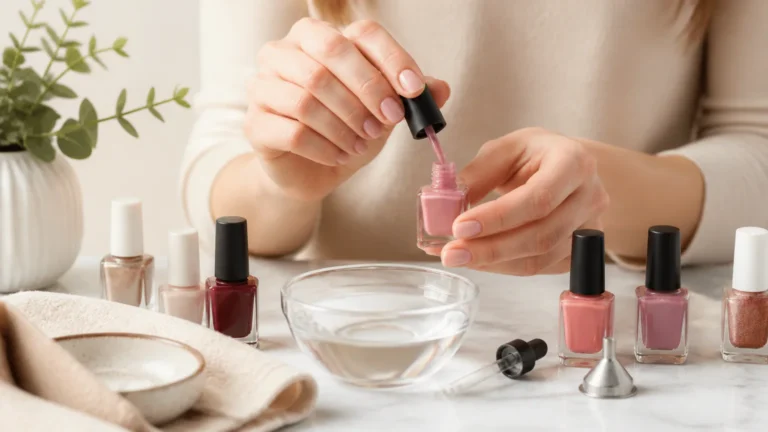
Mild thickening caused by solvent loss can sometimes be corrected. Use a purpose-made nail polish thinner, which restores some of the liquid solvent balance without introducing the ingredients found in household removers.
- Remove the brush and add two to three drops of nail polish thinner.
- Replace the cap and roll the bottle gently for about 30 seconds.
- Open the bottle and check whether the polish flows smoothly from the brush.
- Repeat with a small amount only if the formula remains slightly thick.
Do not use nail polish remover as a thinner. Acetone can damage the polish formula, causing separation, poor drying, or an uneven finish. If several rounds of thinning fail, or if the polish has a changed odor or persistent clumps, replacement is the safer and more effective option.
How Do You Make Polish Last Longer?
Long wear starts with a clean, dry nail surface. Nail keratin can absorb up to 40% of its weight in water, so applying polish immediately after soaking the hands or taking a shower can reduce adhesion as the nail later dries and changes shape.
- Remove oil, lotion, and old polish before applying a new manicure.
- Apply a base coat to improve adhesion and reduce staining.
- Use thin, even color coats and allow each layer to dry before adding the next.
- Seal the free edge with color and top coat to protect the nail tip.
- Apply a top coat and refresh it every two to three days.
- Wear gloves for dishwashing, cleaning, and prolonged contact with water.
- Use cuticle oil after the manicure has dried to reduce dryness around the nail.
- Do not peel lifting polish, because peeling can remove layers of natural nail keratin.
For gel polish, keep product off the surrounding skin and cure every layer according to the compatible lamp and formula instructions. A complete cure matters more than adding extra time to an unsuitable lamp or applying a thicker coat.
Making polish last is less about adding layers and more about preventing the lifting caused by oily nails, flooded cuticles, long soaks and exposed tips. Apply thin coats, seal the free edge and refresh the top coat to protect the finish without creating a bulky manicure. A complete routine to make nail polish last longer can help you tailor these steps to your nails and lifestyle.
Nail Polish Expiration Questions
FAQs
Does nail polish expire if it is unopened?
Unopened nail polish can last about two to three years for regular lacquer and up to three to four years for gel polish when stored properly. Heat, sunlight, and a damaged seal can shorten that period, so inspect the formula before use.
How long does nail polish take to come off naturally?
Polish does not reliably remove itself on a fixed schedule. Regular lacquer usually chips and wears over five to seven days, while gel polish can remain attached for two to three weeks. Peeling it away can damage the natural nail.
Can old clear nail polish still be used?
Clear polish should be discarded when it becomes stringy, cloudy, permanently separated, unusually scented, or slow to dry. Its lack of color can make small changes harder to notice, so check its consistency and drying performance before applying it.
Does a top coat make nail polish last longer?
Yes. A properly applied top coat protects the color and free edge, and reapplying it every two to three days can help maintain the finish. It cannot restore polish that is already expired or poorly bonded to the nail.
Conclusion
Use the bottle’s formula, PAO marking, storage history, and current performance together when deciding whether nail polish is still usable. Regular lacquer that has merely thickened can often be adjusted with thinner, while compromised gel polish should be replaced because incomplete curing can create an allergy risk.